Winterized Vegetable Oil: RBD vs RBDW
By Jackie Greatorex
It can become very confusing trying to understand organic ingredients and the various terms applied to them. At Spack International, we will gladly break down the extraction and refining process for organic seeds and elaborate on the jargon you may have heard but don’t quite understand in this article. So what does winterized oil mean?
All organic vegetable oils are extracted from seeds through mechanical pressure. This means the seeds are mechanically pressed to squeeze out the oil. In some cases, the product is simply filtered to remove the non-oil remnants from the extraction and then sold. The product of this process is called crude or virgin oil. Often, formulations or recipes call for the use of this crude or virgin oil, especially when they want to preserve the aroma and flavor of the raw material in the end product. Ingredients that are most popularly utilized in the crude or virgin state are olive oil, coconut oil, avocado oil, and toasted sesame seed oil, to name a few.
What do you do when your recipe or formula requires the aroma and flavor to be muted? The crude product will then go through a refining process. RBD is an acronym for refined, bleached and deodorized. This is a process that strips a lot of the natural color and flavor from the oil. It also reduces many of the natural nutrient-rich qualities of the crude oil. Organic sunflower and canola oil are most typically used as refined.
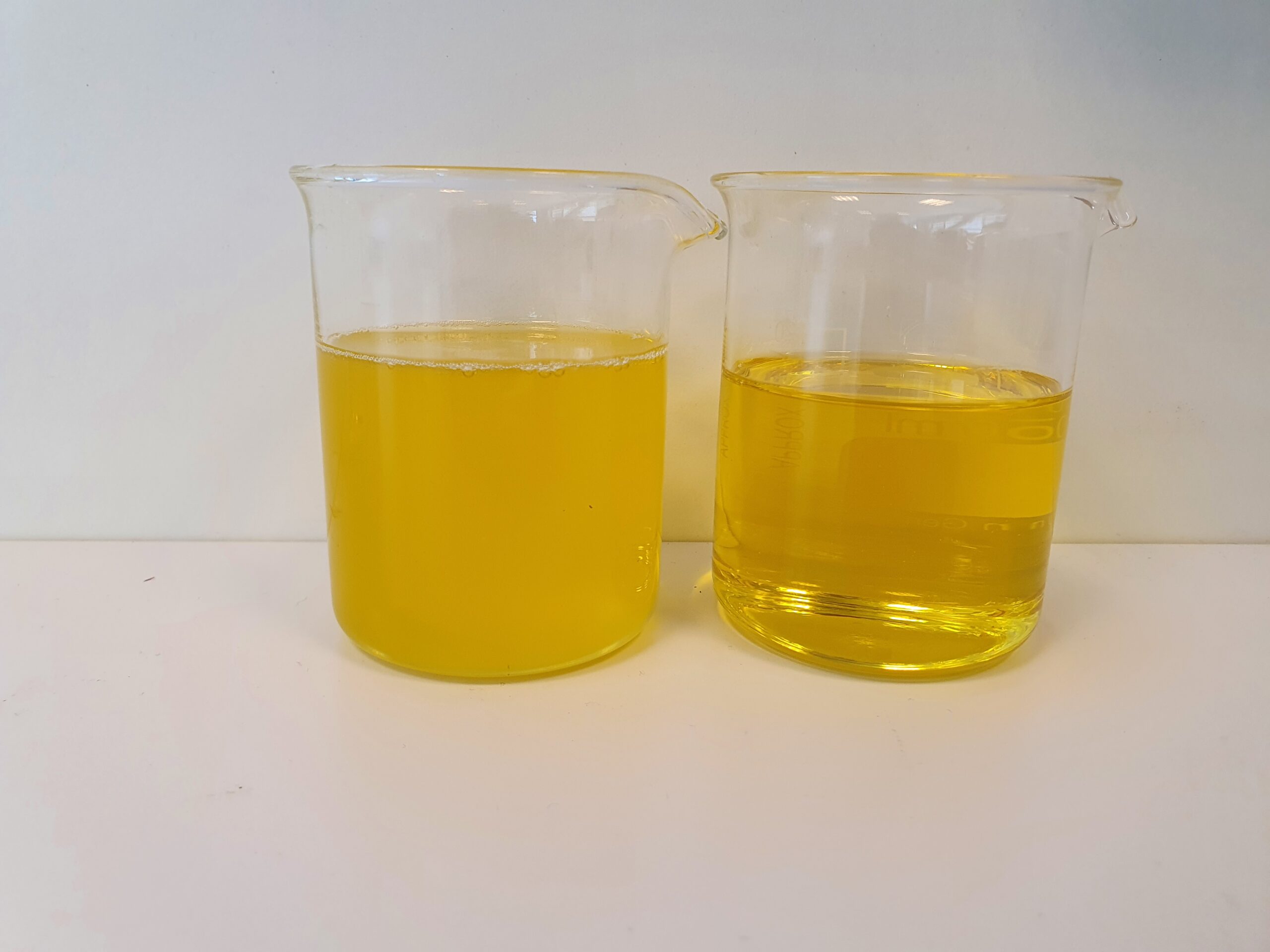
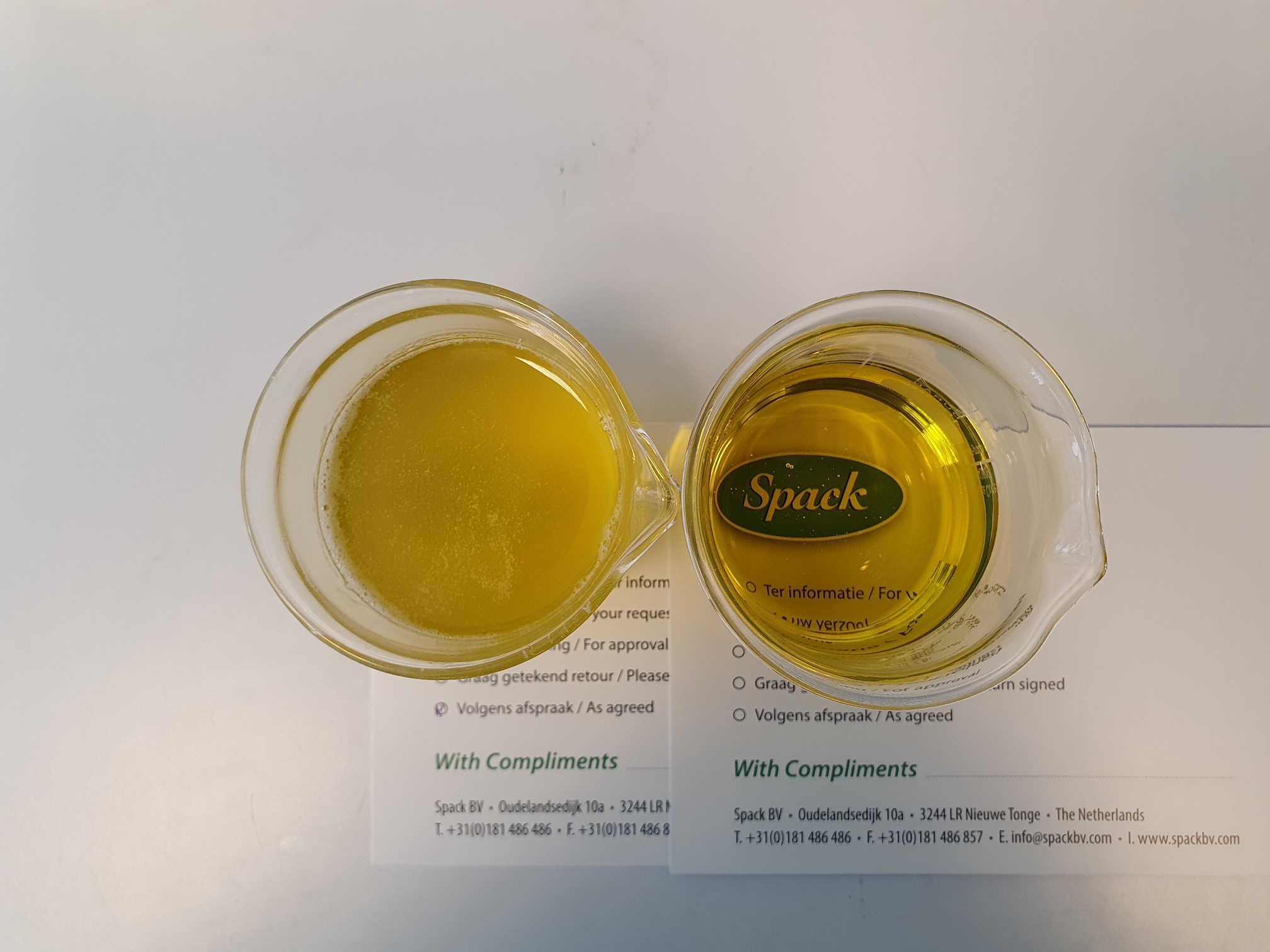
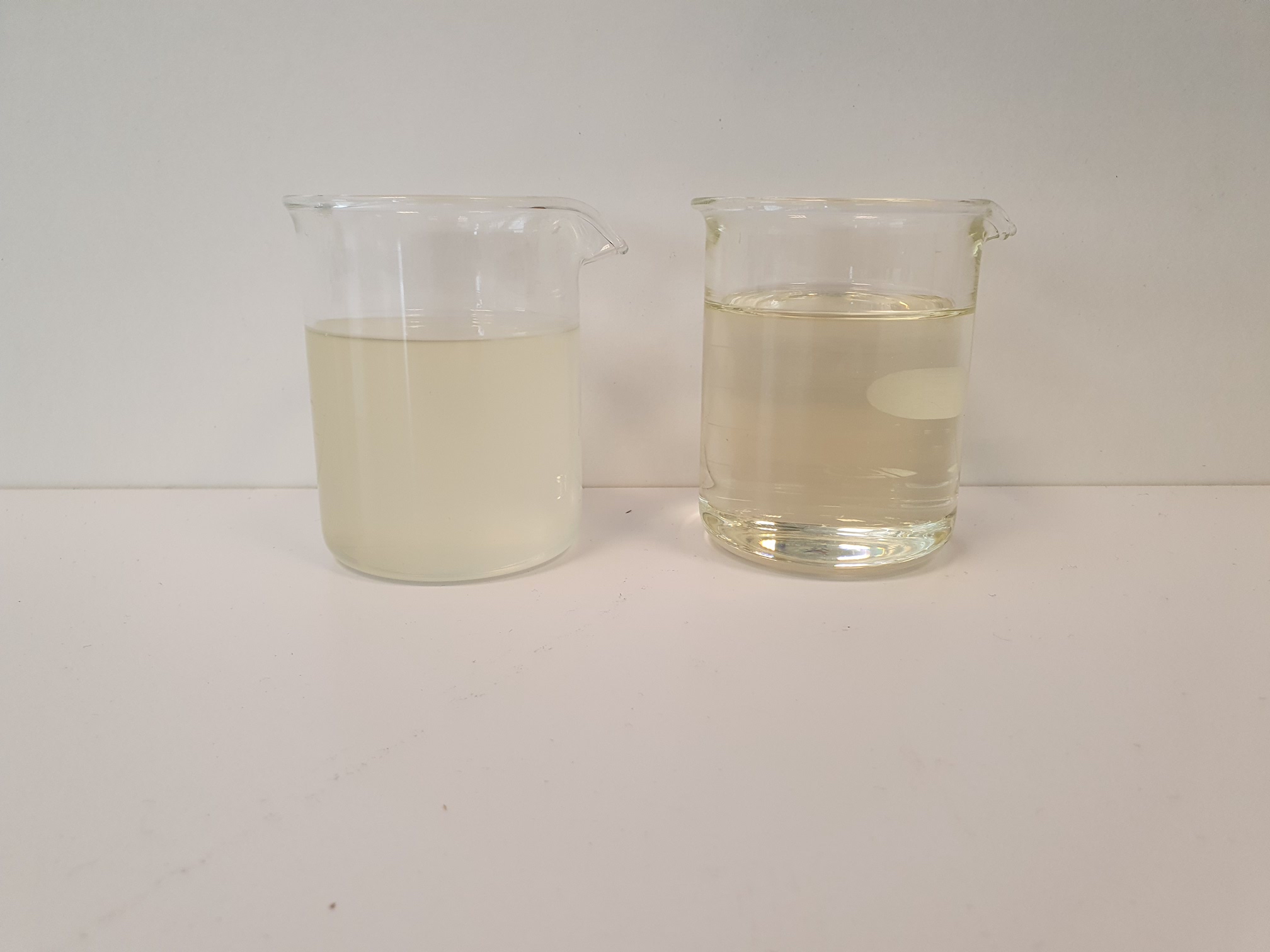
In the picture above you see crude or cold pressed sunflower oil, on the left the oil is non-winterized, while on the right the waxes are removed for it to be transparent and ready for bottling.
What Is Refining?
Refining is typically a process where heat or steam is used to bring the oil up to a very high temperature. This allows for an end product that is consistent in taste, color, and stability. In the first step, the oil is subject to the neutralization of fatty acids, removal of phospholipids, and filtering of the oil. The next step is bleaching. Bleaching removes the oil components that increase the rate of oxidation. Bleaching of organic oils requires the use of diatomaceous earth or any natural bleaching clay. This minimizes the contents of pigment, such as carotenes, chlorophylls, and heavy metals. The final step is deodorization. Deodorization is a high-temperature, high-vacuum steam distillation process. The steaming process vaporizes the unwanted components and separates them from the desired material. This includes removal of vitamins, fatty acids, protein fragments, and occasionally heavy metals present in the edible oils.
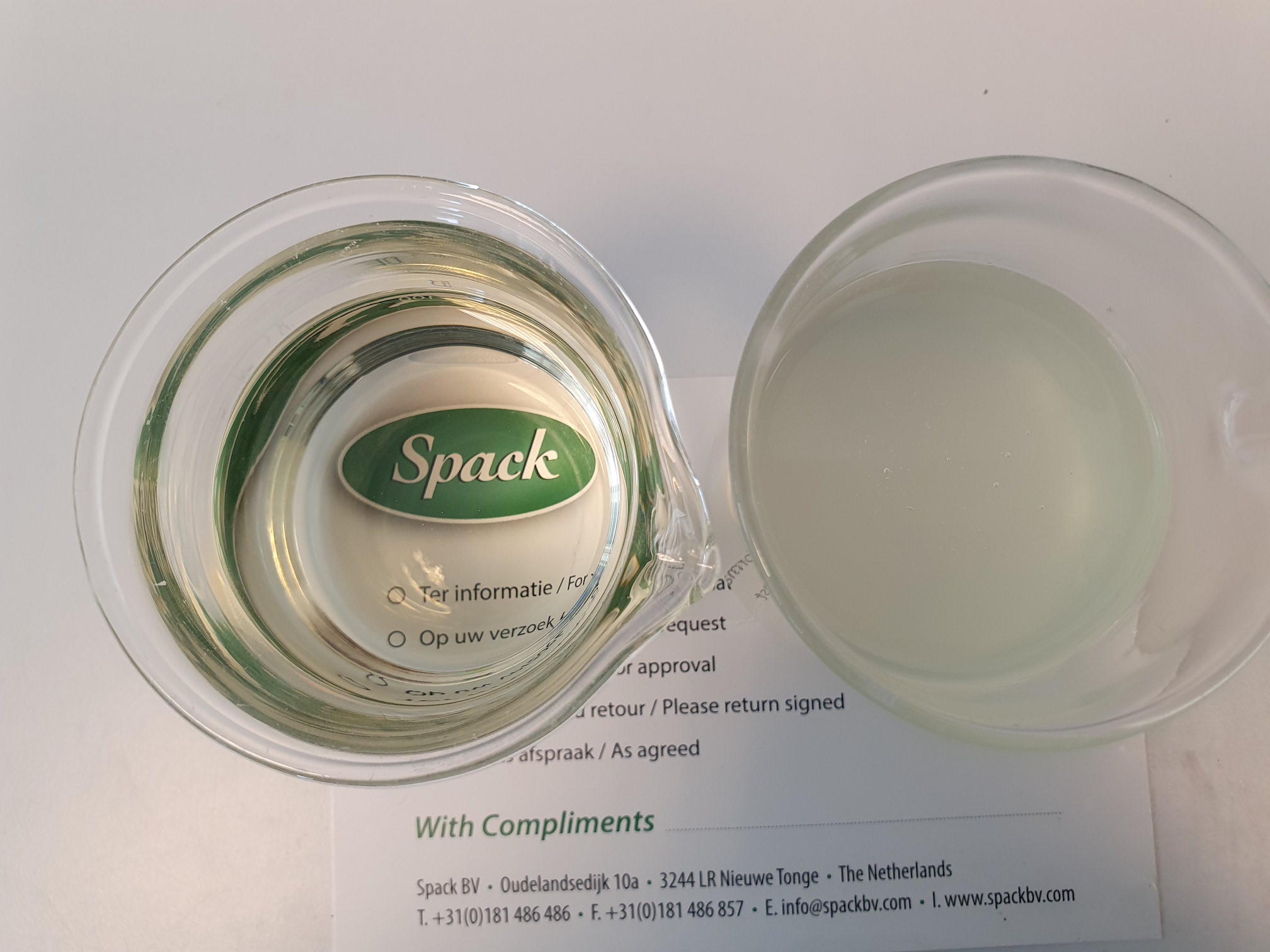
In the picture above you see refined sunflower oil, the hazy oil is RBD, while in the clear looking oil the waxes are removed for it to be named RBDW.
What Is Winterization?
The final, and optional step of the refining process is winterization. RBDW stands for refined, bleached, deodorized, and winterized oil. Winterization is done by chilling the ingredient which forces the waxes to solidify. The waxes are then removed by filtration, resulting in an end product which is clear and free of any residue.
Many times, the usage or application of the oil allows a product to use only the first three refining steps, RBD. This is the case for products, such as chips or snack products, that use the oil for frying purposes. RBD oil is also used in cosmetic formulations as an emollient. There is also a bit of a cost saving for RBD compared to RBDW, as the extra step of winterization is not required. Companies that want to sell the oil in bottles at retail will typically purchase RBDW to offer a product that is clear, and free of floating waxes for better shelf appeal. Products that use the ingredient in salad dressings or marinades also prefer the cleaner, clearer RBDW ingredient.
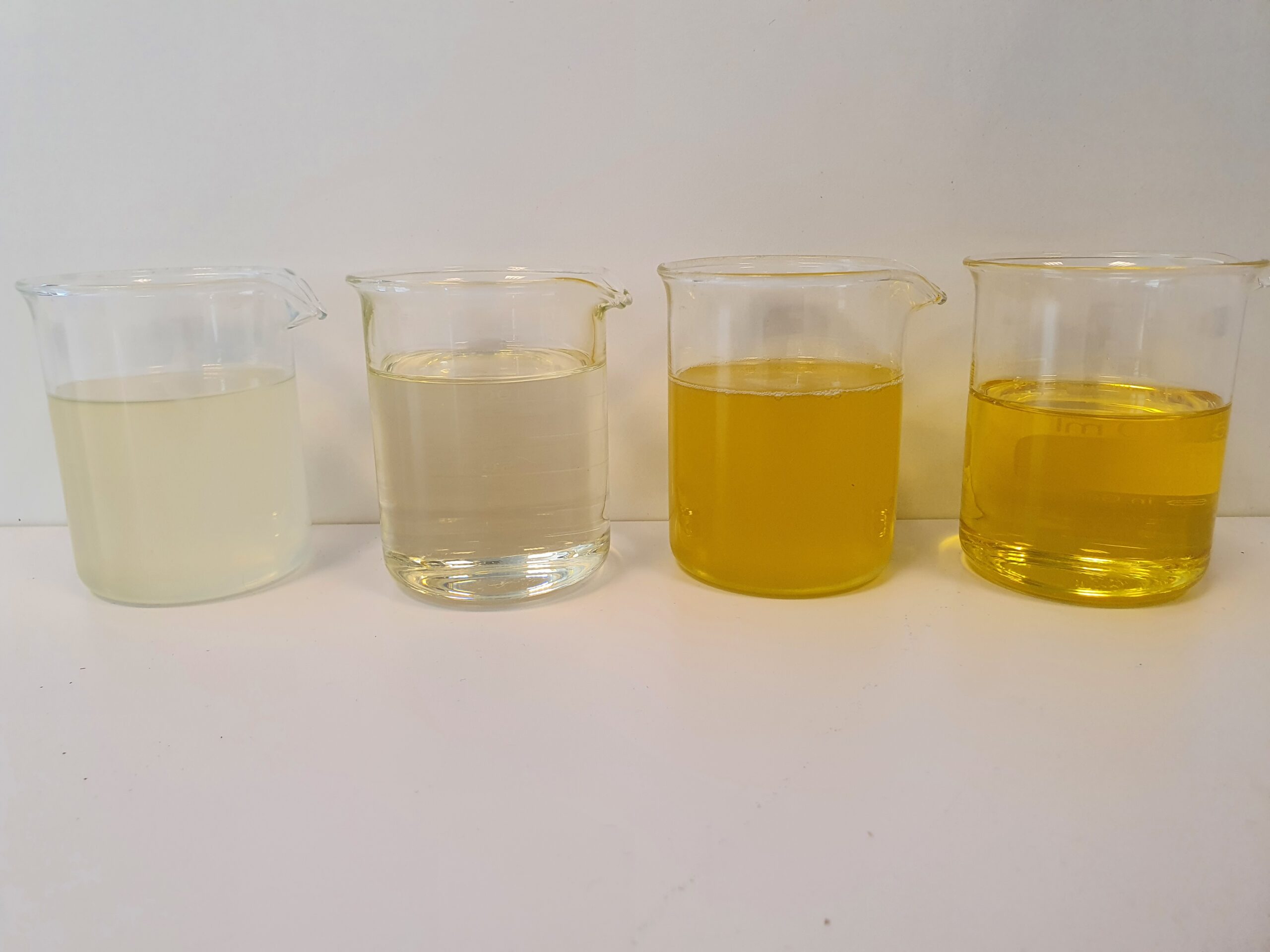
Here you see from left to right: Sunflower Oil Refined RBD, Sunflower Oil Refined RBDW, Sunflower Oil Crude Non-Winterized and Sunflower Oil Crude Winterized.
Choose the Right Oil for Your Applications
If you have any questions about the above subject matter, or would like to speak to a sales representative about the ingredients that Spack International produces and supplies, please feel free to reach out to us. We will gladly help you pick the right oil for your application. Partner with us now!
If you have any questions about the above subject matter, or would like to speak to a sales representative about the ingredients that Spack International produces and supplies, please feel free to call at 833-756-8645 or email jackie@spack-international.com.
For more information on our oil assortment, all in house produced, click here.
Our packing facilities in The Netherlands are specialized in glass packaging, much more friendly for the environment, why pack Organic products in PET? Click here for more information.