Spack Market Insights Report – April 2026
Volatility continues to be the name of the game in the edible vegetable oil world. Welcome to our April 2026 edition of the Spack Market Insights Report. The continuation of conflict in the Middle East has introduced significant risk to global energy supply chains. This sustained disruption to energy supply is likely to induce commodity inflation. This will incur tightening logistics capacity and cost inflation across the food ingredient supply chain.
Edible oil pricing is most responsive to disruptions in the energy supply chain. With rising prices for oil, biodiesel demand increases the usage of vegetable oil as attractive alternatives. The resulting increase in demand, further tightens an already vulnerable vegetable oil market, supporting price increases across the entire edible oil complex.
In addition, the war has significantly disrupted tanker traffic through the Strait of Hormuz, which handles nearly 20% of the global oil supply. Global container spot rates continue to increase, with rising fuel costs and geopolitical developments playing an increasingly central role in ocean freight pricing. Likely the most significant threat to global shipping and supply chains since COVID, the crisis is causing shipping delays by forcing vessels to bypass the Suez Canal and Red Sea for longer routes around Africa.
Let’s breakdown the individual commodities to offer a glimpse into factors affecting the current market and our expectations.
Organic High Oleic Sunflower Oil
Eastern European organic sunflower oil producers are finishing the last of the production volumes of the season, with the main production entities being Romania, Bulgaria, Ukraine and Moldova. The available seeds in the market continue to warrant higher than average pricing. Even though Argentina sunflower oil is now being produced and bringing more supply to the market, the EU oil market is not reflecting any relief in pricing, and Argentina pricing is supporting the current high price environment.
In May/June, we’ll start to get indications of what has been sowed, and we’ll keep a close eye on crops until the new seeds are harvested in September. The organic sunflower oil market gets very tight whenever the spread between organic and conventional sunflower oil is low, which has been the case for the last several months.
Looking to the new harvest, all eyes are on Ukraine. Recently reported by the industry association “Ukroliyaprom,” sunflower oil production in Ukraine is expected to decline 10% compared to last year, and exports will be down 6.4%. Yields have decreased by 16.8%, which is the lowest level in 10 years. We predict that next year’s supply will also be tight. For now, pricing expectations remain consistent through the end of the current crop year, with little to no relief in the short-term.
Organic Canola Oil
There has not been much change in the organic canola market in the last several months. It was a sensitive crop year in Europe. As we know, last year’s crop was less than ideal due to summer high heat and drought-like conditions in Eastern Europe. Prices continue to be on the high side and will remain at this level until the new harvest prices are established.
On the plus side, organic canola seeds are harvested a bit earlier than organic sunflower seed, so we hope to have indicators sooner for this ingredient. Organic high oleic canola oil is becoming increasingly popular in Europe as a niche ingredient. Please reach out to Spack if you are interested in more information.
Organic Coconut Oil
Pricing for organic coconut oil topped out at a thirteen year high in 2025 for a variety of reasons. The Philippines, a major producing entity of coconut oil, is advancing its use of coconut-based biodiesel, decreasing the available supply. Secondly, the coconut oil market is still feeling the effects of extreme weather, such as typhoons and droughts, disrupting harvests in top producing nations. Finally, the coconut oil market tracks the palm oil market, which has supported the higher pricing. The combination of these factors has created a perfect storm for higher pricing.
We saw some recent relief in pricing, to the tune of about a 15% correction. It then rebounded back up a bit, and has now appeared to plateau. The new crop looks very healthy and while producers are expecting things to even out, we are not hopeful that pricing will come down significantly. Because there is so much uncertainty in the current market, the continued volatility paired with geo-political circumstances, we think it prudent to book now, for your short and long-term needs. This will provide the security of having product available in the US.
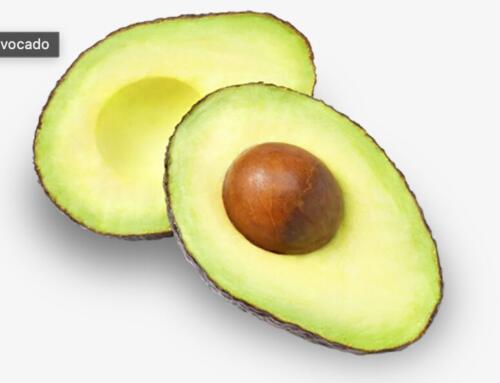
Organic Avocado Oil
Mexico is in the middle of their season and good yields and availability are anticipated. Mexico will complete their production just as Africa begins to ramp up. Because we experienced higher prices last year, we anxiously await confirmation that the crop in Mexico is favorable. This should aide in the softening of pricing. In Africa, Kenya is the biggest producer and exporter of organic avocado oil. Although heavy rains delayed the harvesting and processing, in general our overall analysis is positive for pricing and availability.
Now is a good time to engage in identifying the volumes you’ll need in the coming six to nine months. We are keeping a close eye on the market and will begin to offer contracted pricing for opportunities that are presented to us. Knowing our customers’ needs will aide in filling up the production schedule through the end of the year. We expect pricing to increase as the year progresses, as fruit volume will dwindle, and more people will be vying for the remaining raw material. We recommend clients to be proactive on identifying needs and contracting as soon as firm pricing is identified and communicated.
Organic MCT Oil
Ironically, the organic coconut-based MCT oil market is more stable than the coconut oil market. Since it’s a more technical derivative, it has been a bit more insulated from the volatility. We do have available stock in our NJ and CA warehouses. April and August are the best times to buy organic MCT oil as new crops become available.
In summary, we stress the current uncertainty in the world play a big part in supply and pricing. Climatologists are keeping a close eye on a potential large El Niño that could be building. Between climate change and geopolitical instability, the market continues to get more volatile and this uncertainty about the future almost always leads to price support.
Please contact your Spack sales representative for inquiries about any of the ingredients we proudly produce and supply, or for general inquiries info@spack-international.com. Here is our complete list:
-Organic and Conventional Non-GMO Sunflower Oil
-Organic and Conventional Non-GMO Canola Oil, RBD
-Organic Virgin Coconut Oil
-Organic Coconut Oil, RBD
-Organic Flaxseed Oil
-Organic and Conventional Non-GMO Avocado Oil
-Organic Avocado Oil Shortening
-Organic and Conventional Non-GMO Olive Oil
-Organic Sesame Oil
-Organic MCT Oil